
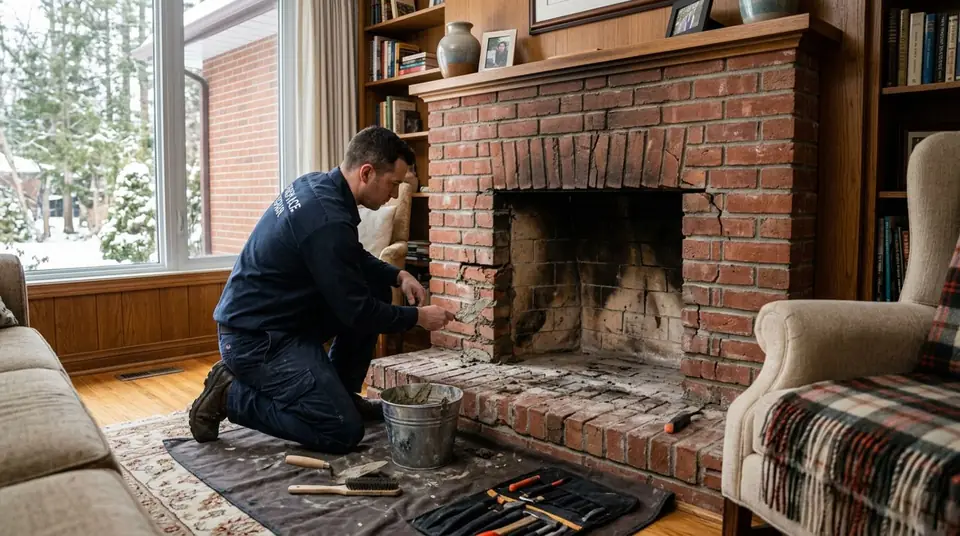
What chimney sweep means for a East Newton property
A chimney sweep request in East Newton, Surrey, British Columbia starts with the type of fireplace or stove, how often it is used and what has changed. That information helps separate routine cleaning from inspection, blockage removal or repair.
Properties across the Surrey group can differ in roof pitch, chimney height and parking or equipment access. These practical details can change timing and price even when the cleaning scope is similar.
Surrey is one of the supplied British Columbia coverage groups. Service availability is confirmed by address, system type and the work requested.
East Newton is listed within the Surrey coverage group. Service is confirmed by the property address, appliance and requested scope. The location page does not represent a separate office or promise a particular travel time.
What may be included and what is separate
Repairs, camera inspections, animal removal, liner work and treatment of heavy glazed deposits are separate unless they are specifically assessed and included. A cleaning visit does not certify the complete chimney or appliance.
Chimney Sweep explained
For this page, “chimney sweep” means a request for routine chimney sweeping and cleaning, not a claim about certification or a promise that every chimney needs the same procedure.
A professional cleaning request is defined by the system and the condition found, not by a universal checklist. Accessible deposits may be brushed or otherwise removed using suitable equipment, while the room is protected and loosened material is contained. Difficult deposits or an obstruction can change the recommended scope.
When someone searches for a chimney sweep, they may need routine maintenance, help with falling debris, an odour investigation or advice after reduced draft. Those needs should not be grouped automatically. The first useful step is to identify the appliance, fuel, symptoms, last known service and the result the homeowner needs.
Signs that may lead to a chimney sweep request
Frequency of use matters, but there is no honest interval that fits every home. Fuel quality, burning habits, appliance type, chimney design and moisture exposure affect how deposits form. Manufacturer instructions, previous findings and the actual condition should guide maintenance rather than a generic calendar promise.
A shiny or hard deposit may not respond like ordinary loose soot. Heavy buildup can require a different method and price, while a bird nest or other blockage calls for its own assessment. Do not try to identify material by reaching into the flue or climbing onto the roof. Describe what can be observed safely from the living space.
Visible flakes or soot in the firebox, a persistent smoky or tar-like odour, debris dropping from above and uncertainty about the previous service date are sensible reasons to ask about cleaning. Poor draft can also lead to a request, but draft depends on more than deposits. Weather, house pressure, chimney height, appliance operation and obstructions may all contribute.
The chimney and appliance type change the scope
The liner provides a passage for combustion products, but its material and condition cannot be assumed from the room. Clay tile, metal and other systems have different inspection and service considerations. Cleaning accessible deposits does not prove that concealed joints, clearances or surrounding construction are sound.
Interior access may begin at a fireplace opening, stove connector or cleanout. Exterior access depends on the termination, roof design and safe working conditions. A steep roof, tall chimney, fragile finish or restricted side access can change how the work is planned without changing the homeowner's underlying maintenance need.
An open masonry fireplace can include a firebox, throat, damper, smoke chamber and masonry flue. A wood stove may connect through stovepipe to a listed metal chimney or a lined masonry chimney. Factory-built fireplaces use matched components that should not be treated as generic masonry. Identifying the system helps determine tools, access and limitations.
East Newton property and access considerations
Wildlife and wind can introduce material at the chimney top. Sounds, nesting debris or a suddenly blocked flue should be described clearly because removal, screening and cleaning are separate decisions. Do not light a fire to force an obstruction out, and do not approach wildlife from the roof.
Seasonal demand can change appointment availability, especially when many households begin using wood-burning appliances again. Sending the request before the intended first fire allows time to review the system and any access limitations. This page does not promise same-day or emergency availability.
Surrey has 32 supplied neighbourhood records in this site's coverage directory. Nearby entries include Sullivan Station, Sunnyside Park, West Newton. These names organize enquiries only. They do not represent separate offices or guarantee that every address or service is available.
Typical British Columbia market range
Average cost for chimney sweep in East Newton
$150–$350 CAD
A straightforward residential cleaning commonly falls in this range. Heavy buildup, multiple flues or difficult access can raise the cost to $600 or more.
These are published market estimates, not a fixed price from Chimney Sweep British Columbia. Tax, travel and additional work may be extra. A quote is confirmed only after the property and requested scope are reviewed.
Source: Published Metro Vancouver chimney cost guideWhat affects the price in East Newton
The published range above is a planning guide, not a fixed company quote. Price can change with the number of flues, appliance type, chimney height, roof pitch, interior protection, access, deposit severity and whether an obstruction or separate problem is found.
Ask whether the proposed amount includes one or several flues, routine debris collection, taxes and a summary of visible concerns. If heavy glazed deposits, wildlife material, unsafe access or a damaged component changes the work, the revised scope should be explained before additional work proceeds.
What changes the price
Published ranges are a planning guide. These factors are the most common reasons a quote moves up or down.
| Factor | Why it matters |
|---|---|
| Number of flues | Each additional flue adds time and cleaning work |
| Roof pitch and chimney height | Steep or tall access needs more equipment and safety setup |
| Deposit severity | Glazed creosote needs more than a routine sweep |
| Appliance type | Inserts, stoves and gas units each need different work |
| Obstructions | Nests, debris or collapsed liner pieces add removal time |
| Travel and access | Distance, parking, gates and strata rules can affect timing |
Creosote stages compared
Creosote is the residue left when wood smoke cools in the flue. It is usually described in three stages. Only a professional assessment can confirm which stage is present.
| Stage | What it looks like | Main concern | Typical approach |
|---|---|---|---|
| Stage 1 | Loose, dry soot that brushes off easily | Restricts draft as it builds up | Routine sweeping with brushes and rods |
| Stage 2 | Crunchy, flaky black deposits | More fuel for a chimney fire | Sweeping, sometimes with rotary tools |
| Stage 3 | Hard, shiny, tar-like glaze | Highest fire risk and hard to remove | Separate assessment; specialist removal or liner work may be needed |
Do not try to scrape or burn off creosote yourself. Stop using the appliance if heavy glaze is suspected.
Sweep, inspection, diagnosis and repair: what each covers
These services are often confused. Each one answers a different question, and one does not replace another.
| Service | Main purpose | What it involves | What it does not do |
|---|---|---|---|
| Chimney sweep or cleaning | Remove accessible soot and creosote | Brushing the agreed flue path and collecting debris | Does not certify the system or fix damage |
| Chimney inspection | Report on visible condition | Checking accessible components, sometimes with a camera | Does not include cleaning or repairs unless agreed |
| Draft or smoke diagnosis | Find why smoke or odour is a problem | Reviewing venting, pressure, caps and appliance setup | Does not guarantee a single fix |
| Masonry or component repair | Fix a confirmed defect | Work on crowns, mortar, caps, dampers or liners | Needs a defined scope first |
Fireplace and stove types compared
Each system type has its own venting and maintenance needs. Knowing yours helps match the request to suitable work.
| System | Common issues | Venting | Maintenance focus |
|---|---|---|---|
| Wood-burning masonry fireplace | Creosote, draft problems, mortar and crown wear | Masonry flue, often with a clay or metal liner | Regular sweeping and condition checks |
| Wood stove or insert | Creosote in a smaller, cooler flue | Stainless steel liner or factory-built chimney | Sweeping based on use and wood quality |
| Pellet stove | Ash buildup, fan and igniter wear | Dedicated pellet vent pipe | Vent and appliance cleaning per manufacturer guidance |
| Gas fireplace or insert | Ignition, glass film, venting and soot from poor combustion | Direct vent or B-vent | Servicing by a qualified gas technician |
Gas appliances must only be adjusted by a licensed gas technician. Never adjust gas components yourself.
How a East Newton service request works
- Step 1
Describe the system
Share the East Newton address, appliance type, fuel and symptoms.
- Step 2
Scope review
The details are reviewed to separate cleaning from inspection, repair or specialist work.
- Step 3
Price and timing
Availability, likely scope and pricing factors are discussed before the visit is confirmed.
- Step 4
Service visit
The agreed work is completed with access and limitations explained.
From enquiry to completed chimney sweep
A useful quote conversation is specific. Compare the same number of flues, the same access assumptions and the same level of inspection or reporting. A very low advertised amount can represent a narrower task. Taxes, travel, heavy buildup, difficult access and additional work should be discussed before approval.
At the end, the homeowner should understand what was completed, what could and could not be seen, and whether a separate next step is recommended. Keep invoices, photographs and written findings with the property records. Cleaning is valuable maintenance, but the record should not be described as certification unless a separate qualified inspection was arranged.
Before work begins, ask what pathway is being cleaned and what observations are included. Confirm whether the quote covers one flue, disposal of routine debris, interior protection and a summary of visible concerns. Ask how heavy deposits, an obstruction or unsafe access would be handled if discovered.
Start with the address, appliance and fuel. Add the number of fireplaces or stoves, whether they share a chimney structure, the last known cleaning date and any current symptoms. If the property is in East Newton, within the Surrey coverage group, include access notes that could affect equipment or scheduling. The request can then be reviewed against the supplied coverage area.
How to prepare without taking risks
Keep children and pets away from the work zone. Ask in advance how much room is needed and whether equipment will enter through a particular door. If an adult other than the owner will provide access, make sure that person can explain the concern and approve only the agreed scope.
Take photographs only from safe occupied areas or from the ground. A wide photograph can show the appliance and room, while a close image can record a visible stain, crack or deposit. Do not use a ladder, enter a confined area or remove a panel solely to support an online enquiry.
Allow the fireplace or stove to cool completely before the arranged time and follow any instructions you receive. Remove movable decorations, firewood and fragile items from around the hearth. Create a clear path from the entrance to the appliance and secure pets. Do not clean out unusual debris if it may help explain the reported concern.
What to ask before approving chimney work
Ask what is included, which flue or appliance the quote covers, what remains inaccessible and what result the proposed work is intended to achieve. Confirm whether routine observations, photographs or written findings are provided. If the condition changes the scope, ask how added work and pricing will be approved before it begins.
Ask who will perform the work and which training, licence or insurance applies to the specific task. Verify important credentials directly. This site does not publish unconfirmed certification claims. A directory badge or website statement should not replace checking the qualification needed for your situation.
Be cautious with a diagnosis made from one photograph, a guarantee that cleaning will solve every symptom, or pressure to approve unrelated work immediately. A sound recommendation may be routine cleaning, closer inspection, repair, referral to another qualified trade or advice not to operate the system until a concern is resolved.
After the service and future maintenance
Changes to the home can justify a fresh review even after routine maintenance. Roofing, air sealing, replacement windows, kitchen exhaust, renovations and appliance changes may affect access or draft. Keep that history with the chimney records so future questions start with better information.
Smoke and carbon monoxide alarms should be installed, maintained and tested according to current local requirements and manufacturer instructions. They provide warnings, but they do not replace cleaning, inspection or correct operation. A recent sweep also does not make it appropriate to ignore an alarm or smoke entering the room.
After chimney sweep, keep the service record and note the date, appliance use and any recommendations. Watch for the return of the original symptom and for new odours, staining, debris or changed draft. A symptom returning quickly can point to operating conditions, moisture, an unresolved blockage or a separate defect rather than a need to repeat the identical work.