
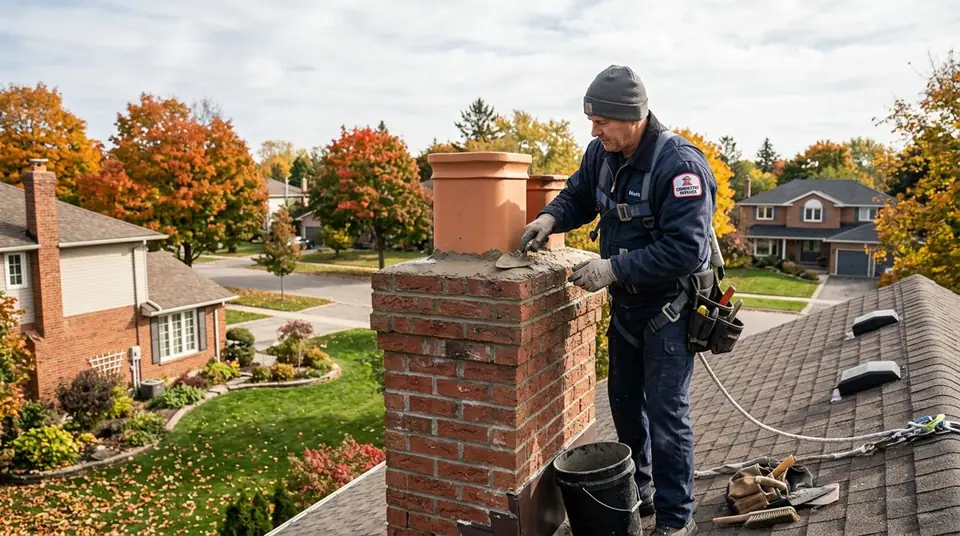
Chimney Cap Repair addresses a specific part of the chimney, fireplace or venting system. A clear description of the symptoms helps determine whether cleaning, inspection, repair or a separate specialist assessment is appropriate.
The first step is to understand the system, access and symptoms. The exact scope is confirmed before work begins.
Published Metro Vancouver planning range
Average cost for chimney cap repair
$150–$3,500 CAD
Minor sealing or localized repair can sit near the low end, while moderate masonry work can reach the upper end. Structural rebuilding is priced separately.
These are published market estimates, not a fixed price from Chimney Sweep British Columbia. Tax, travel and additional work may be extra. A quote is confirmed only after the property and requested scope are reviewed.
Source: Published Metro Vancouver repair cost guideWhat may be included
- Review of the concern and service request
- Assessment of accessible relevant components
- Clear explanation of scope, limitations and next steps
When to request help
- Visible damage, staining or debris
- Smoke, odour or draft behaviour has changed
- The system is due for cleaning, inspection or maintenance
What this service may involve
A chimney cap repair request starts with the condition you can see and the behaviour you have noticed. Access, construction type, fuel type and previous repairs can all change the work required.
- Review of the reported concern
- Assessment of accessible components
- Explanation of findings and practical next steps
What affects cost
Pricing depends on access, chimney height, system type, buildup or damage, materials and whether further investigation is required. A request is not a confirmed appointment or fixed quote.
Before a visit
Share the appliance type, model if known, recent symptoms, property location and any useful photos. Do not climb onto the roof or adjust gas components to collect information.
Understanding Chimney Cap Repair
Chimney Cap Repair is not a one-size-fits-all visit. The useful starting point is the reason for the request: a visible defect, a change in performance, routine care, a property transaction or uncertainty about condition. The chimney and connected appliance has several parts that affect one another, so the symptom and its cause may not be in the same place. A clear assessment separates cleaning from inspection, diagnosis, repair, replacement and installation before a scope is proposed.
Homeowners may describe this need as assessment and service options for chimney cap repair requests in british columbia.. These phrases can overlap, but they do not always mean the same work. Cleaning removes appropriate deposits or debris. An inspection records accessible condition. Diagnosis looks for the reason a system is not behaving normally. Repair corrects a confirmed defect. Replacement or installation changes a component or system. Knowing the intended outcome prevents a chimney cap repair enquiry from becoming an unclear quote.
When should you request Chimney Cap Repair?
Request help when you notice a new odour, staining, debris, unusual noise, visible cracking, water entry, poor airflow, smoke movement or a change in how the appliance starts or runs. Stop using a fuel-burning appliance if smoke enters the room, there may be a gas leak, a carbon monoxide alarm sounds, or there are signs of fire. Leave the area when appropriate and contact emergency services or the responsible utility. A website enquiry is not emergency assistance.
Timing depends on appliance type, fuel, use, manufacturer instructions, previous findings and applicable requirements. Heavy use can justify earlier attention, while a long-unused system may need assessment before returning to service. Recent cleaning does not prove every component is sound, and a visual check from the floor cannot establish hidden conditions. Describe when the change began, whether it is constant or intermittent, and what happened before it appeared.
What a Chimney Cap Repair assessment looks at
The review begins with the appliance or opening, the route through the building and the exterior termination. Relevant accessible parts may include the flue, liner, masonry, crown, cap, flashing and accessible connections. The purpose is to connect the reported symptom with observable conditions, not assume the most obvious mark or noise identifies the cause. Access limits, finishes and concealed construction are noted because they affect what can be concluded without additional work.
System type, fuel, age if known, previous alterations, frequency of use and exposure to British Columbia rain and seasonal weather also matter. Factory-built systems, masonry chimneys, wood-burning appliances, pellet appliances and gas units are not interchangeable. Their components and service methods differ. If regulated gas work, specialized testing, structural work or another trade is needed, that requirement should be identified before work is arranged.
What may be included and what may be separate
A chimney cap repair visit may include reviewing the concern, protecting the nearby work area, examining relevant accessible components, completing the agreed service task and explaining visible findings. Exact inclusions depend on the selected service and condition found. Photos, measurements or further testing may be useful, but are not automatically included. Ask what inspection level or documentation is provided if you need information for a purchase, sale, insurer, strata or renovation decision.
Repairs, replacement parts, roof work, opening finished walls, hazardous-material handling, engineering, permits and work by another regulated trade may be separate. Cleaning does not automatically include repair, and inspection does not automatically include correction. A service visit cannot guarantee future performance or prove inaccessible areas are sound. A useful proposal states the task, exclusions and what would trigger a revised scope before extra work begins.
Common findings and why they matter
Common findings relate to moisture, deposits, restricted draft and material deterioration. Deposits can restrict movement through a flue or vent. Water can damage masonry, metal and interior finishes. Loose or deteriorated components can affect operation and let a problem spread. An unsuitable earlier repair may conceal rather than solve the defect. These conditions have different remedies, so a photograph can help triage a request but cannot support a complete diagnosis by itself.
Location and pattern matter. A mark that appears only during wind-driven rain suggests a different investigation from moisture that forms while an appliance operates. An odour after wet weather differs from active smoke spillage. A recurring blockage differs from a one-time obstruction. Note the weather, operating conditions, frequency and recent renovations. These details help narrow possibilities and reduce the chance that a symptom is treated while its source remains.
How much does Chimney Cap Repair cost?
There is no responsible fixed price without enough information about the system and access. Cost can change with building height, roof pitch, interior protection, equipment type, flue or vent length, severity of deposits or damage, materials, and whether more than one visit or trade is needed. Parking, strata access, tenant coordination and restricted hours can also affect a job. A low headline price may cover a narrower task than the service actually required.
To compare quotes, ask whether assessment, cleaning, documentation, disposal, materials and taxes are included. Confirm how unexpected findings are handled and whether approval is required before added work. The useful comparison is like-for-like scope. Submitting this site's form is an enquiry only. Price, availability and appointment details must be confirmed after the property and system information are reviewed.
How to prepare for Chimney Cap Repair
Provide the service address, city, postal code, system type, fuel and model information if available. Add clear photos taken safely from the ground or occupied space and previous reports when relevant. Explain what you noticed in your own words. Do not dismantle the appliance, adjust gas controls, enter a confined space or climb onto the roof to collect information. Those actions create risk and may disturb evidence that helps identify the problem.
Before an arranged visit, keep the area reasonably clear and ensure an adult can provide access. Follow instructions about allowing an appliance to cool. Secure pets and identify parking, gate, concierge, tenant or strata requirements. Report changes before the visit, especially active leaking, smoke entry or an alarm. Weather can make exterior access unsafe, so some portions may need rescheduling even when interior work can proceed.
Choosing a provider for Chimney Cap Repair
Choose a provider whose proposed work matches the system and who explains limitations clearly. Ask who performs the work, what training or licence applies, what insurance is carried and whether subcontractors are involved. Verify credentials directly when they matter. Do not rely only on a logo, directory badge or unsupported website statement. Brand familiarity can be useful, but it is not the same as manufacturer authorization or guaranteed parts availability.
A reliable conversation distinguishes observation from diagnosis and recommendation. Be cautious of guarantees made from one photo, pressure to approve unrelated work immediately, or claims that every system needs the same treatment. For chimney cap repair, the next step should fit the finding. It may be routine service, closer inspection, repair, referral to another qualified trade or advice not to operate the system until a concern is resolved.
Chimney Cap Repair in British Columbia service areas
The site lists 20 supplied British Columbia service-area groups. A city or neighbourhood in the directory indicates where a request can be submitted, not a local office, guaranteed arrival time or confirmation that every service is available there. Availability depends on address, access, appliance, scope and the qualified person required. Providing the full location at the start makes confirmation more useful.
Coastal moisture, wind exposure, tree cover, wildlife activity, building age and renovation history may influence what is found. These factors support an inspection, not replace one. The same symptom in two homes can have different causes. The goal is to understand the property in front of us and recommend a next step that fits its construction and system rather than repeat a generic answer.
Questions to ask before approving the work
Ask what problem the work is intended to solve, which components are included, what remains inaccessible and what result to expect. Ask whether the system can be used before and after the work, whether another trade is needed and what maintenance applies. If replacement is proposed, ask why repair is unsuitable. If cleaning is proposed, ask what deposit or obstruction is being addressed. Clear answers help you decide without relying on technical language alone.
Ask what happens if conditions differ once work begins. A written scope should explain how changes are approved and affect price or timing. Keep reports, invoices, model information and photographs with property records. When ready to request chimney cap repair, send the symptom, system, address and safely taken photographs. The request will be reviewed before scope, availability or an appointment is confirmed.
Maintenance after Chimney Cap Repair
After the work, keep the written findings and note the date, appliance use and any parts or materials identified. Follow the operating and maintenance instructions that apply to the actual equipment. Watch for the return of the original symptom, but also pay attention to new odours, staining, moisture, unusual sounds, difficult starting, changed draft or altered airflow. A symptom returning quickly may mean the original source remains, operating conditions changed, or a separate component now needs attention. Report the pattern rather than trying to conceal it with sealant, fragrance, paint or an improvised adjustment.
Maintenance intervals should be based on the system, fuel, use, condition and applicable instructions, not a universal calendar claim. A frequently used wood-burning appliance and a rarely used decorative fireplace do not create the same service needs. Renovations, roofing work, a new exhaust fan, changes to windows, storm damage and long periods without use can justify a fresh review. Keep smoke and carbon monoxide alarms installed, maintained and tested according to current local requirements and manufacturer directions. Alarms provide an important warning, but they do not replace inspection, maintenance or safe operation.
What Chimney Cap Repair cannot confirm on its own
The service described on this page has a defined purpose. It does not by itself certify every part of a building, establish structural adequacy, approve a renovation, guarantee code compliance or replace work assigned to another regulated professional. Accessible-condition observations may reveal reasons to investigate further, but concealed areas can require cameras, testing, removal of finishes or specialist review. If you need a document for an insurer, real-estate transaction, permit, strata or legal purpose, state that before booking so the required scope and deliverable can be confirmed.
Online information also has limits. A long-tail search such as assessment and service options for chimney cap repair requests in british columbia. may help you find the right starting page, but it cannot identify the condition of your home. Photos can show visible damage yet miss the flue interior, concealed clearances, intermittent faults or conditions that appear only during operation. Use this guide to describe the request and understand the questions to ask. Final recommendations should be based on the actual system, safe access and the observations available during the agreed visit.
Information that makes a Chimney Cap Repair request more useful
A concise service history can save time. Include the approximate installation date if known, the last cleaning or inspection date, previous recommendations, recent repairs and whether another contractor has already investigated the concern. For an appliance, include the manufacturer, model and serial information when it can be read safely. For a recurring problem, explain what temporarily improves or worsens it. This context does not replace assessment, but it helps distinguish a maintenance request from a performance problem or a repair that may require parts and specialized skills.
Use photographs to provide context rather than to request a safety verdict. A wide image can show the room, appliance and surrounding finishes, while a closer image can document a visible mark or damaged part. Never enter a restricted area or use a ladder solely to take a picture. If a report, invoice or data plate contains personal information, share only what is necessary for the enquiry. Accurate details help the request reach the appropriate service category and support a clearer conversation about access, scope and next steps.
Coverage
This service can be requested for the 20 listed British Columbia coverage groups. Availability and the appropriate trade are confirmed after the address, system and required scope are reviewed.
View service areas